Outdoor advertising, often called out-of-home (OOH) media, covers every format that reaches an audience away from home or in transit: a highway bulletin, a bus shelter panel, a digital screen inside a stadium concourse. Advertisers use it because it cannot be skipped, blocked, or closed the way a browser tab can, and because it stacks well with the digital channels a campaign is already running. This guide breaks down the major types of outdoor advertising, how they differ in cost and reach, and how to match a format to a campaign's goal.
Billboards: Static and Digital
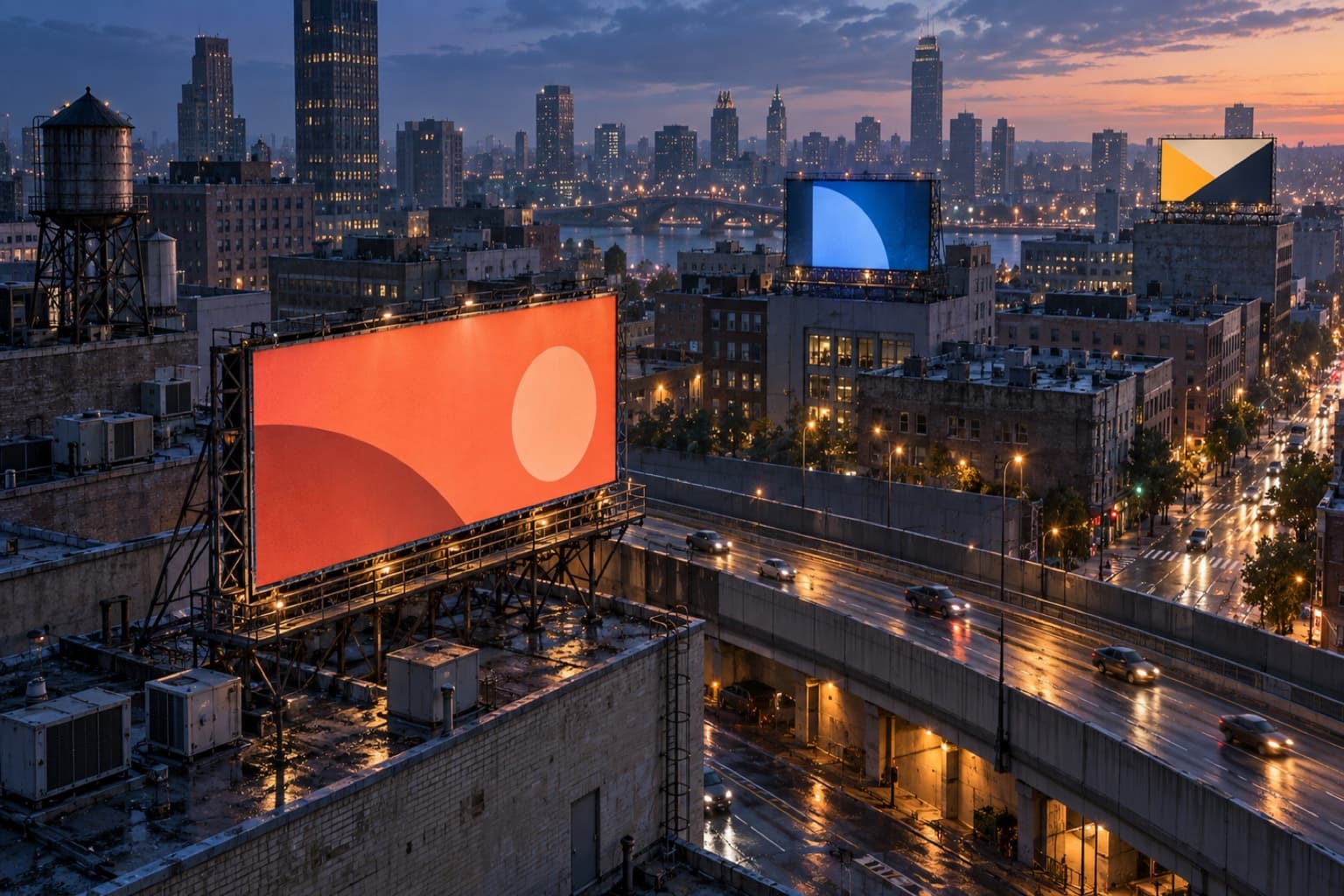
Billboards are the format most people picture first, and they split into two working categories. A static bulletin or poster is printed vinyl mounted on a single structure for the length of a flight, usually four weeks or longer, and the advertiser owns that face exclusively for the run. A digital billboard is a programmable LED screen that rotates several advertisers through the same structure, typically in 8 to 10 second increments within a 60 to 90 second loop, which lets a brand buy a slice of a premium location instead of the whole face. Digital also removes the reprint cost of a creative change mid-flight, since a new file replaces the old one instantly rather than requiring a new vinyl install. For a full cost breakdown by format and market, see how much a billboard costs.
Street Furniture Advertising
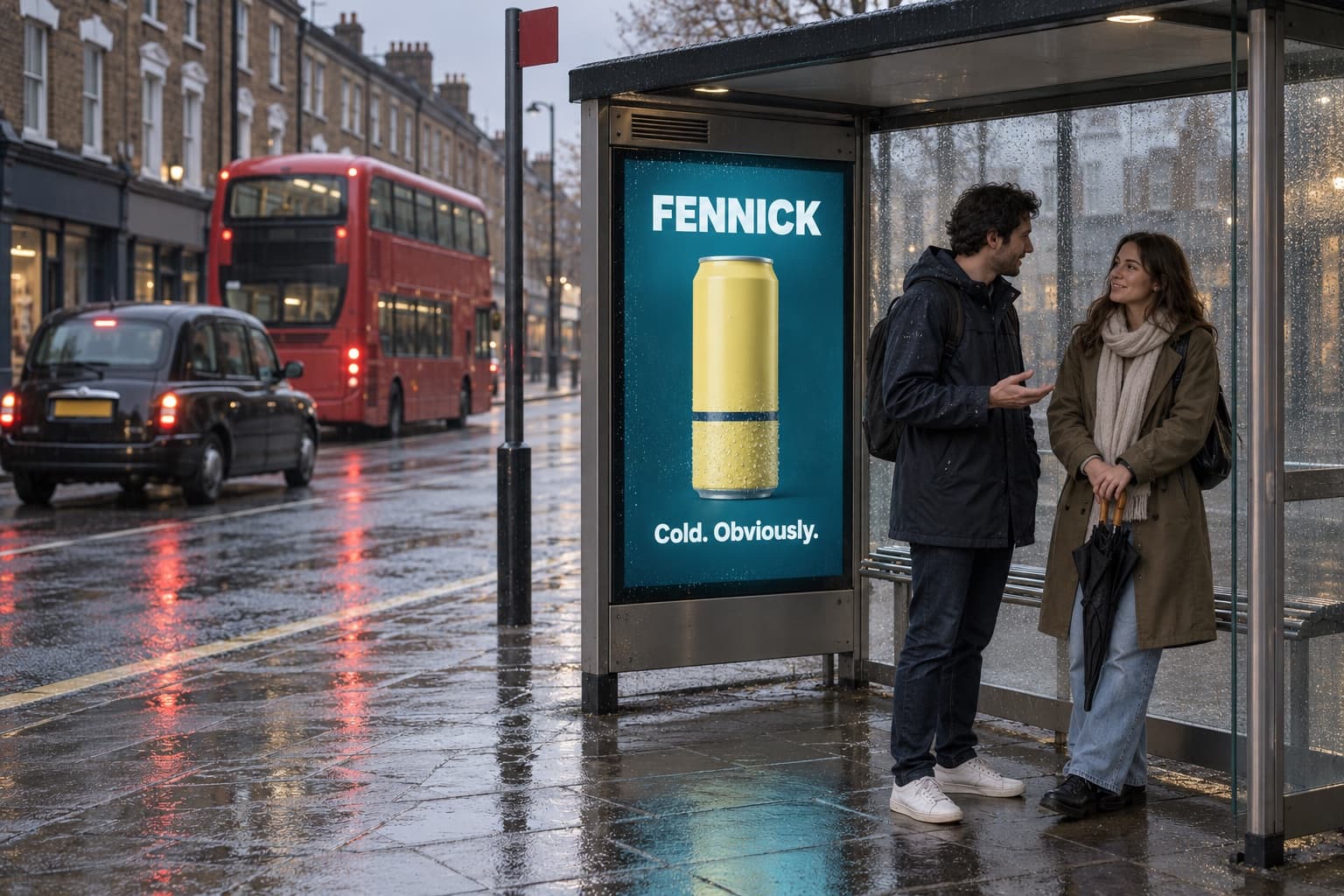
Street furniture covers advertising built into the fixtures a city already has: bus shelters, benches, newsstands, and freestanding kiosks. These placements sit at eye level and close to foot traffic, which makes them effective for local and hyper-local messaging where a driver-facing bulletin would be too far from the point of decision. Because street furniture inventory is typically sold by a municipal contract or a transit authority, availability and pricing vary block by block rather than by a single rate card.
Transit Advertising
Transit advertising places creative on or inside vehicles and the infrastructure that serves them: bus wraps, rail car interiors, subway platform panels, and airport concourse displays. It reaches commuters during dwell time, when there is little else competing for attention, and a full vehicle wrap in particular functions as a moving billboard that covers a wide geographic radius over the course of a day. Airport advertising is its own subcategory, valued for reaching a captive, often higher-income traveler audience in the minutes before or after a flight.
Place-Based and Experiential OOH
Place-based advertising puts a screen or a structure inside a specific venue: a stadium scoreboard and ring board, a mall directory, a gym video wall, a movie theater lobby display. The audience is self-selected by being in that venue at all, which lets the creative speak to a narrower, more predictable interest than a general roadway placement can. Experiential activations extend the idea further, pairing a physical structure with an interactive element, a pop-up, or a stunt designed to generate its own social and press coverage on top of the impressions the structure earns directly.
Wallscapes and Building Wraps
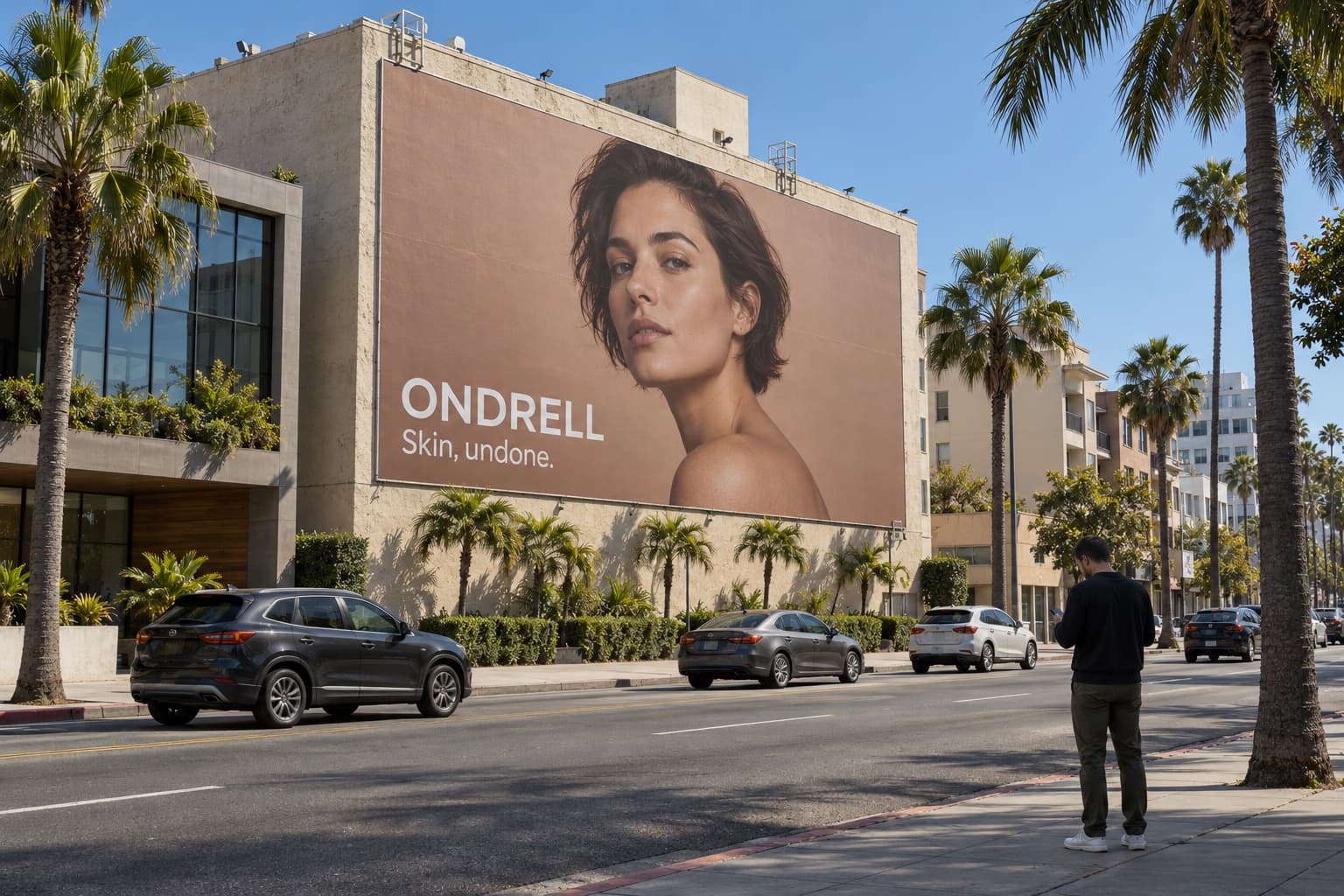
A wallscape is a large-format printed or digital display mounted directly on the exterior of a building, often stretching several stories. Because it takes over an entire building face rather than a single structure, a wallscape reads as a landmark placement in a market's skyline, which is why premium wallscapes command some of the highest rates in outdoor advertising and are usually reserved for launches, brand campaigns, or entertainment tentpoles rather than everyday local promotion.
Mobile and Guerrilla Advertising
Mobile billboards, most commonly truck-mounted digital or static units, drive a fixed route through a target area or park at a high-traffic event, which lets an advertiser choose exactly where and when the audience sees the creative rather than buying a fixed structure and waiting for traffic to pass it. Guerrilla advertising is the catch-all for unconventional, low-cost tactics built to surprise a specific audience in a specific place — a projection on a wall, a branded street-art installation, a staged stunt — and it depends on being unexpected enough to generate organic sharing, which also means it does not scale the way a standard media buy does.
How to Choose the Right Type for Your Campaign
The right format follows the objective, not the other way around. A brand-awareness campaign in a single metro benefits from a bulletin or a wallscape on a high-traffic corridor, where reach and repetition matter more than precision. A campaign built around a specific audience, like commuters or airport travelers, is better served by transit or place-based placements that put the creative in front of that audience specifically. A campaign that needs to update creative frequently, or wants to run in short flights around a live event, is a better fit for digital billboards or digital street furniture, since both allow a same-day creative swap that static formats cannot. Budget, flight length, and how precisely the target audience can be defined are the three factors that should drive the format decision before location and creative do.
Frequently Asked Questions
What is the most common type of outdoor advertising? Billboards, both static and digital, remain the format most advertisers think of first and the largest single category of OOH spend, because they combine broad reach with locations that are easy to plan against.
What is the difference between OOH and DOOH? OOH is the umbrella term for all out-of-home advertising, including traditional static formats. DOOH (digital out-of-home) refers specifically to the digital, screen-based subset — digital billboards, digital street furniture, digital transit displays — that can be updated, scheduled, and rotated programmatically.
Which type of outdoor advertising works best for a local business? Street furniture and transit placements near the specific neighborhood or corridor a business serves usually outperform a broad citywide bulletin for a local budget, because the audience is already close to the point of decision.
Can outdoor advertising formats be combined in one campaign? Yes, and combining formats is standard practice for larger campaigns — a bulletin or wallscape for broad reach paired with transit or place-based placements for frequency against a specific audience segment.
Every format above works differently by market, and the right mix depends on the audience, budget, and flight length a campaign is actually working with. To see what is available and priced for your specific market and dates, talk to Swing Media directly or browse the markets we serve.